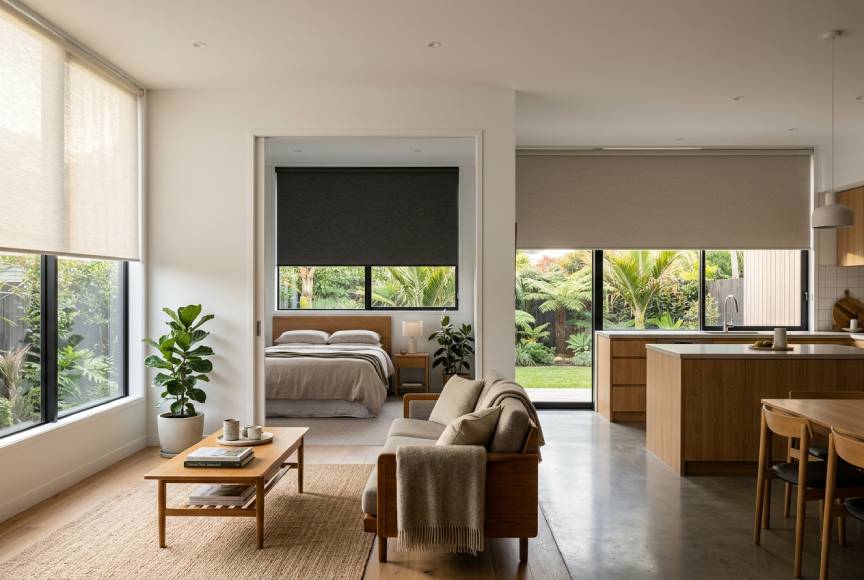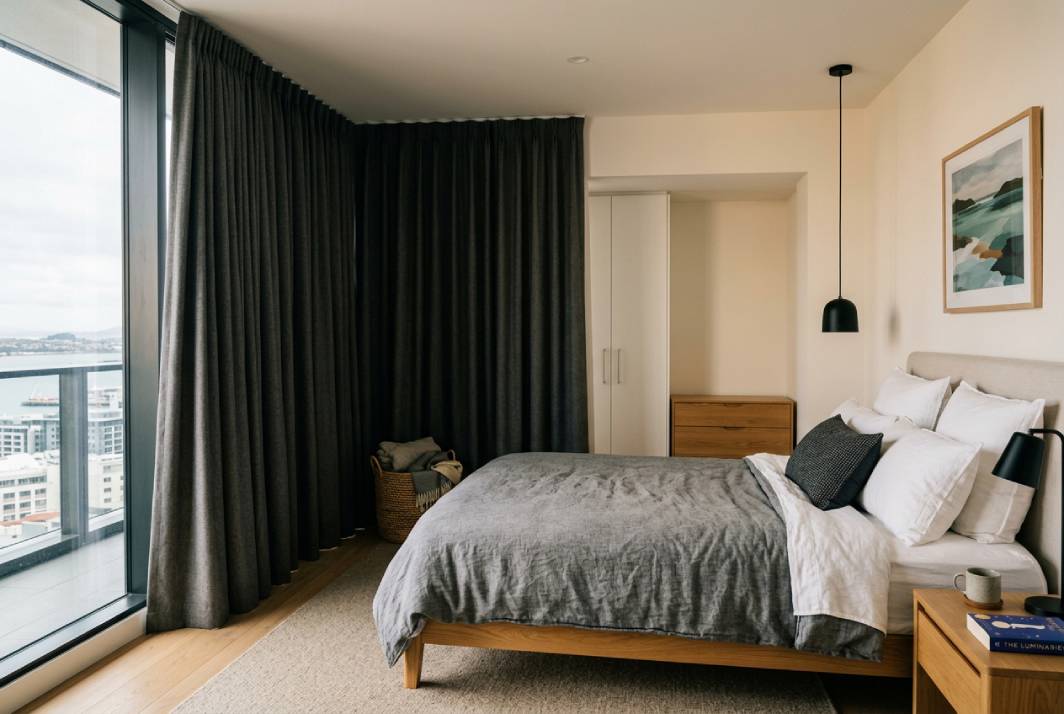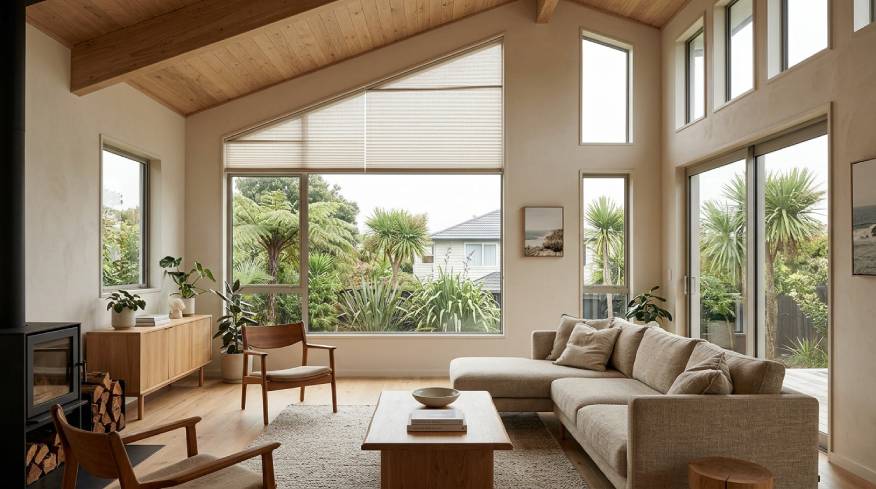
Not every home has perfectly standard windows. Modern architectural designs, renovations and older properties can all include windows that are unusually tall, narrow, wide or positioned in spaces where standard window coverings simply do not fit well.
For homeowners looking for Custom Blinds Auckland, made-to-measure solutions can provide a better way to deal with these challenging window dimensions.
Rather than trying to adapt a ready-made blind to a window it was never designed for, custom blinds are measured according to the actual opening and surrounding space. This can result in a cleaner appearance, smoother operation and more suitable control over light and privacy.
For Auckland homes with unique window layouts, choosing custom blinds and window furnishings can therefore be about more than appearance. It is also about creating a practical solution that works properly with the architecture of the home.
What Makes a Window Size Unusual?
An unusual window does not necessarily need to have an unusual shape.
Sometimes the challenge is simply that the window is much taller, wider or narrower than the standard dimensions used for ready-made blinds.
Common examples include:
- Tall windows extending towards the ceiling
- Narrow windows beside entrances
- Very wide living-room windows
- Large sliding doors
- Bay or recessed windows
- Groups of windows placed closely together
- Windows positioned close to corners
- Different-sized windows within the same room
In these situations, choosing standard Blinds Auckland homeowners find in fixed sizes may result in gaps, awkward proportions or a blind that does not operate as smoothly as expected.
Made-to-measure blinds allow the dimensions of the actual window to guide the final product.
Why Accurate Measurement Matters
Precise measurement is one of the most important parts of creating custom blinds.
Even a relatively small difference in width can affect how neatly a blind fits inside a window recess. A blind that is too wide may not fit properly, while one that is too narrow can leave unnecessary gaps at the sides.
Height matters as well. An incorrectly measured blind may finish in the wrong position or leave excessive material when lowered.
Professional measurement also considers more than the visible glass.
The installer may need to assess:
- Window frame dimensions
- Recess depth
- Handles and locking mechanisms
- Nearby walls
- Skirting or trim
- Ceiling height
- Available mounting surfaces
- Space around the window
These details are especially important for unusual windows where there may be less room for adjustment during installation.
Better Proportions for Tall and Narrow Windows
Tall and narrow windows can create an attractive architectural feature, but they can also be difficult to cover with standard blinds.
A blind that is significantly wider than the window can look visually heavy. Conversely, a blind that does not follow the window’s proportions may make the opening appear smaller or less balanced.
With Custom Blinds Auckland, the blind can be produced according to the actual width and height of the window.
This helps create a cleaner relationship between the blind, frame and surrounding wall.
For narrow windows near an entrance or hallway, a custom solution can also provide privacy without requiring a bulky window treatment that takes up unnecessary space.
Custom Blinds for Wide Windows and Sliding Doors
Large windows are increasingly common in contemporary homes because they bring in natural light and create a stronger connection with outdoor spaces.
However, their size can make window furnishings more complicated.
Very wide windows may require careful consideration of blind weight, operation and how the window itself is used.
In some cases, dividing one large opening into multiple blinds may be more practical than installing a single oversized blind. This allows different sections to be adjusted separately and can make daily operation easier.
For sliding doors and particularly wide openings, vertical blinds can also be worth considering because their design works naturally with broad glass panels and frequent access.
The best solution depends on the opening width, door movement, room layout and preferred appearance.
Bay Windows Require More Careful Planning
Bay windows introduce additional angles, meaning each section needs to work together rather than being treated as a completely separate window.
Poorly planned blinds may overlap each other, leave awkward gaps or interfere when opened.
Made-to-measure blinds allow the installer to consider how the different sections meet.
This is particularly important where several blinds need to sit closely beside one another.
Measurements may need to account for:
- Corners between window panels
- Blind brackets
- Operating mechanisms
- Handles
- Depth within the recess
A carefully planned installation can maintain the architectural character of the bay window while still providing practical light and privacy control.
Choosing the Right Blind for an Unusual Window
Custom sizing does not mean every unusual window should use the same type of blind.
The style should still be chosen according to how the window and room are used.
Roller Blinds
Roller blinds offer a simple, streamlined appearance and can work well for many narrow, tall or individual window panels.
Their relatively minimal design means they do not visually overwhelm smaller openings.
For groups of windows, separate roller blinds can sometimes allow each section to be controlled independently.
Roman Blinds
Roman blinds can suit rooms where homeowners want a softer fabric appearance.
When raised, the fabric forms folds above the window, so enough space needs to be considered when planning the installation.
They may work particularly well in bedrooms, lounges and decorative interior spaces.
Venetian and Zebra Blinds
Venetian blinds allow homeowners to adjust the direction of incoming light using horizontal slats.
Zebra blinds use alternating sheer and solid fabric sections to create flexible control over light and privacy.
Depending on the window dimensions and room requirements, these options may provide alternatives to traditional roller blinds.
Custom Blinds Can Help Maintain Consistency Across Different Windows
One challenge in homes with unusual windows is achieving a consistent interior appearance.
A living area may contain one wide window, two narrow windows and a glass door, all within the same space.
Using unrelated ready-made products for each opening can make the room feel visually disconnected.
Custom blinds can be specified with coordinated colours, materials and styles while still being manufactured in different dimensions.
For example, a homeowner might use the same blind fabric across several differently sized windows.
The dimensions change, but the overall design language remains consistent.
This can be especially effective in open-plan homes where living, dining and kitchen areas are visible at the same time.
Better Light Control Starts with a Better Fit
The fit of a blind directly influences how effectively it controls light.
Large gaps around the edges may allow more sunlight into the room than intended.
This can be particularly noticeable in bedrooms, media rooms and home offices where reducing glare or brightness may be important.
Made-to-measure blinds can be planned according to whether they will sit inside the recess or over the window opening.
Each approach has different considerations.
An inside-mounted blind creates a neat, integrated appearance, while an outside-mounted blind may provide greater coverage around the window.
The best option depends on the frame, available space and level of light control required.
Privacy Also Depends on Window Position
Unusual window sizes often appear in unusual locations.
A narrow window beside the front door may need privacy without losing all natural light. A large living-room window may face neighbouring homes. A tall stairwell window might overlook a street or walkway.
This means privacy requirements should be considered individually rather than applying one solution throughout the home.
Custom blinds allow homeowners to select both the dimensions and type of window covering based on the position of each window.
This can create a more practical balance between natural light and privacy.
Why Ready-Made Blinds May Not Always Work
Ready-made blinds can be convenient when a window closely matches one of the available standard dimensions.
Problems arise when homeowners need to compromise significantly on width or length.
A blind that is slightly too narrow may leave visible gaps. One that is too large may require modification or an awkward mounting position.
There may also be limited flexibility when several windows of different dimensions need to appear consistent.
Custom blinds remove much of this compromise because the product is planned around the window rather than requiring the window to fit the product.
Professional Installation Matters with Custom Blinds
Accurate manufacturing still needs to be followed by careful installation.
Bracket position, alignment and mounting height can all affect the final result.
With unusual windows, installation may require additional consideration because surrounding walls, corners, frames or fittings can limit where the blind can be mounted.
Warmnest Curtains provides professional curtain and blind installation together with personalised consultation, on-site measurement and product supply.
Having measurement and installation considered as part of the same process can help reduce avoidable fitting issues and create a cleaner finished result.
When Should You Consider Custom Blinds?
Custom blinds may be worth considering when:
- Your windows do not match common standard dimensions
- You have very wide or tall windows
- Several windows need to visually match
- Window handles or frames complicate installation
- You have bay windows or grouped windows
- You want a cleaner, more tailored appearance
- Accurate privacy or light control is important
Even apparently simple windows can benefit from precise measurement when homeowners want a more integrated finish.
Made-to-Measure Blinds for a Better-Fitting Home
Choosing Custom Blinds Auckland is ultimately about creating window furnishings that work with your home rather than forcing a standard product into an unsuitable space.
Made-to-measure blinds can accommodate narrow windows, wide glass areas, bay windows and other non-standard openings while helping maintain a consistent appearance throughout the interior.
The right blind type, accurate measurement and careful installation all contribute to the finished result.
Homeowners comparing Blinds Auckland options should therefore consider the dimensions and layout of each window before deciding which solution is most suitable.
You can also view Warmnest Curtains’ completed curtain and blind projects to see how different window furnishings work in real Auckland homes.
For windows that are difficult to measure or do not suit standard blind sizes, book a consultation with Warmnest Curtains to discuss made-to-measure options for your home.